So this is some possible interesting findings on the issue you may or may not be aware of...(yes, you can take this with a grain of salt as the info came from Gemini after I drilled it for in depth information)
Here is a summary of the findings regarding the 2026 Honda Prelude's exclusion from the head gasket extended warranty:
The Core Reason for Exclusion
- Separate Supply Chains: Even though the 2026 Honda Prelude shares the identical 2.0-liter hybrid engine architecture used in the Civic and Accord Hybrids, it uses entirely different parts batches.
- Geographic Demarcation: Every single vehicle impacted by the Technical Service Bulletin (TSB) is built using components from the North American supply chain network. The Prelude is an import built on an isolated network.
Factory and Assembly Locations
| Category | TSB-Impacted Vehicles | 2026 Honda Prelude |
|---|
| Engine Manufacturing | • Anna Engine Plant (Ohio, USA)
• Alliston Engine Plant (Ontario, Canada) | • Honda Powertrain Facilities (Japan) |
| Vehicle Assembly | • U.S. & Canadian Plants (Ohio, Indiana, Ontario) | • Yorii Plant (Saitama, Japan) |
Global Scope of the Problem
- North American Issue Only: The TSB is strictly limited to the United States and Canada due to the specific material variances found in North American factories....It is common for the Anna and Alliston Engine plants to share engine parts between facilities based on supply needs
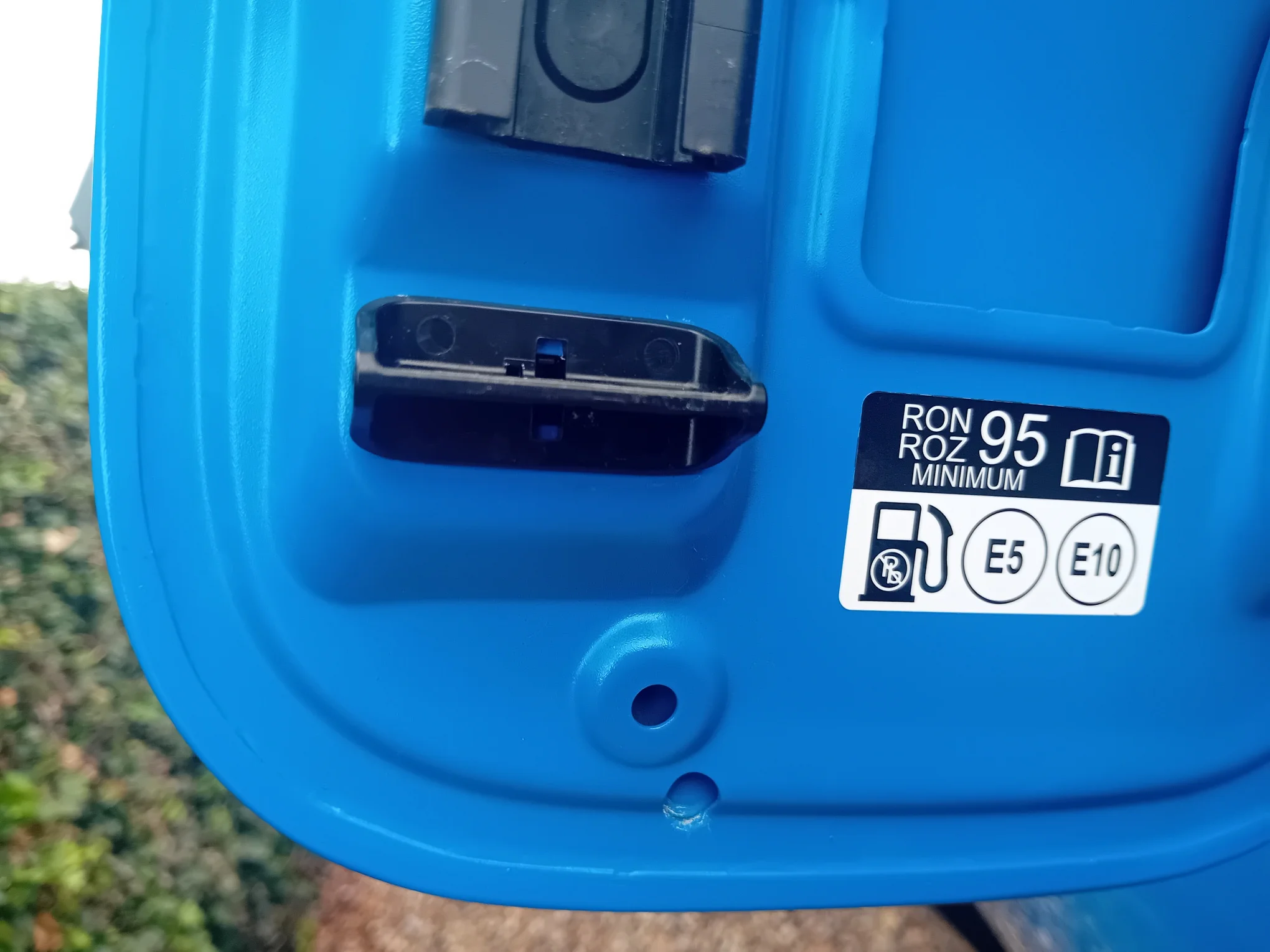
- No Global Recalls: There are no worldwide TSBs or actions for this engine issue in Japan, Europe, or other international markets. Higher international fuel standards (preventing engine knock) and tighter Japanese factory tolerances mean the imported Prelude does not share the same real-world risks.
The physical designs of these engines are fundamentally identical, but automotive teardowns, metallurgical analyses, and industry data point to several distinct differences between the North American production line and the Japanese supply chain that triggered the issue.
The primary differences that isolate the head gasket failures to North American engines involve the following factors:
1. Open-Deck Block "Slit" Tolerances and Tooling
Modern Honda Earth Dreams engines feature an "open-deck" block design. Between the cylinder walls, there is a tiny, cooling cooling slit designed to allow coolant to flow directly between the combustion chambers to keep temperatures down.
- The Variation: Automotive teardown experts have noted that the tooling alignment, precision stamping, and casting molds differ slightly between the Anna Engine Plant (Ohio) and Japanese plants.
- The Impact: Minor microscopic variations in the width or depth of that cooling slit dramatically weaken the thin strip of metal between cylinders two and three. Under intense thermal expansion, the North American blocks can experience tiny deviations that slowly erode the head gasket material over time.
2. Fastener Tensile Strength and Clamping Torque
To hold an aluminum engine block and cylinder head tightly together, manufacturers use torque-to-yield head bolts.
- The Variation: Regional supply chains mean the Ohio/Ontario plants source their heavy-duty bolts from North American steel fabricators, whereas Japanese engine factories use domestic component vendors.
- The Impact: Technicians diagnosing these issues have pointed out that variations in factory clamping force or minor bolt stretch ("tensile strength resilience") under heavy engine loads can cause the head to lift a microscopic fraction of a millimeter. When that happens, hyper-pressurized, superheated combustion gases torch the thin gasket material. The Japanese vendor batches have historically shown higher resistance to this load stretch.
3. Regional Fuel Strains and Detonation (Engine Knock)
North American and Japanese market realities treat identical engines very differently due to local fuel conditions.
- The U.S. and Canada: The massive majority of Civic, Accord, and CR-V owners fill their cars with standard 87 octane fuel. Under high-heat conditions or aggressive acceleration, low-octane fuel can cause micro-detonation (pre-ignition or "knock"). These are essentially tiny shockwaves inside the cylinder that slam against the head and gasket.
- Japan: Japanese domestic fuel standards skew much higher, ensuring a higher baseline octane rating at the pump. The lack of fuel-induced micro-detonation prevents the secondary physical hammering that accelerates head gasket degradation.
4. Vehicle Layout and Heat Retention
The North American vehicle lineups include platforms built strictly for the regional market, like the massive
Honda Accord or heavy
CR-V AWD models. The tightly packaged engine bays of these specific models create "hot spots" right behind the engine block where heat is trapped. The
2026 Prelude, being built on a dedicated, sleek sports-coupe architecture in Japan, benefits from completely redesigned front-end airflow and cooling dynamics that lower thermal strain on the block