- Thread starter
- #21
I agree! All of my hybrid and battery electric cars (apart from my 12 week old Prelude) have required a new 12V at some point. This issue is a confluence of several factors that affect modern cars and particularly hybrids and EVs.You should all check your 12V batteries; yours is obviously doing its job, but I happen to have a smart NOCO5 charger and maintainer. I drove for two or three days—at least half an hour each time—and then recharged the battery a day later; the bulk charging phase took several hours before the green LED started flashing slowly, which effectively means "fully charged" and indicates the maintenance mode has kicked in. Could it be that the converter responsible for charging the battery while driving isn't nearly as powerful as a conventional alternator?
- A modern car is never really 'switched off'. Things like the alarm, the telematics that communicate with your phone app, keyless entry systems, etc are always running and consuming power
- The 12V battery in a hybrid or EV isn't used to crank-start an engine, so manufacturers understandably specify a smaller capacity battery to save weight and cost. This means that the reserve capacity of the battery is lower
- This small 12V battery still has quite a lot of work to do: running all of the computers, lights, ABS, wipers, heater fan, etc as you drive
- Hybrids and EVs don't usually have an alternator. Instead, the HV battery system charges the 12V battery via a DC-DC converter. This is a relatively inefficient way to fast-charge a battery, so it's probably tempting for manufacturers to use more modest charge rates in order to improve overall efficiency. This also reduces the size/power of DC-DC converter that's needed.
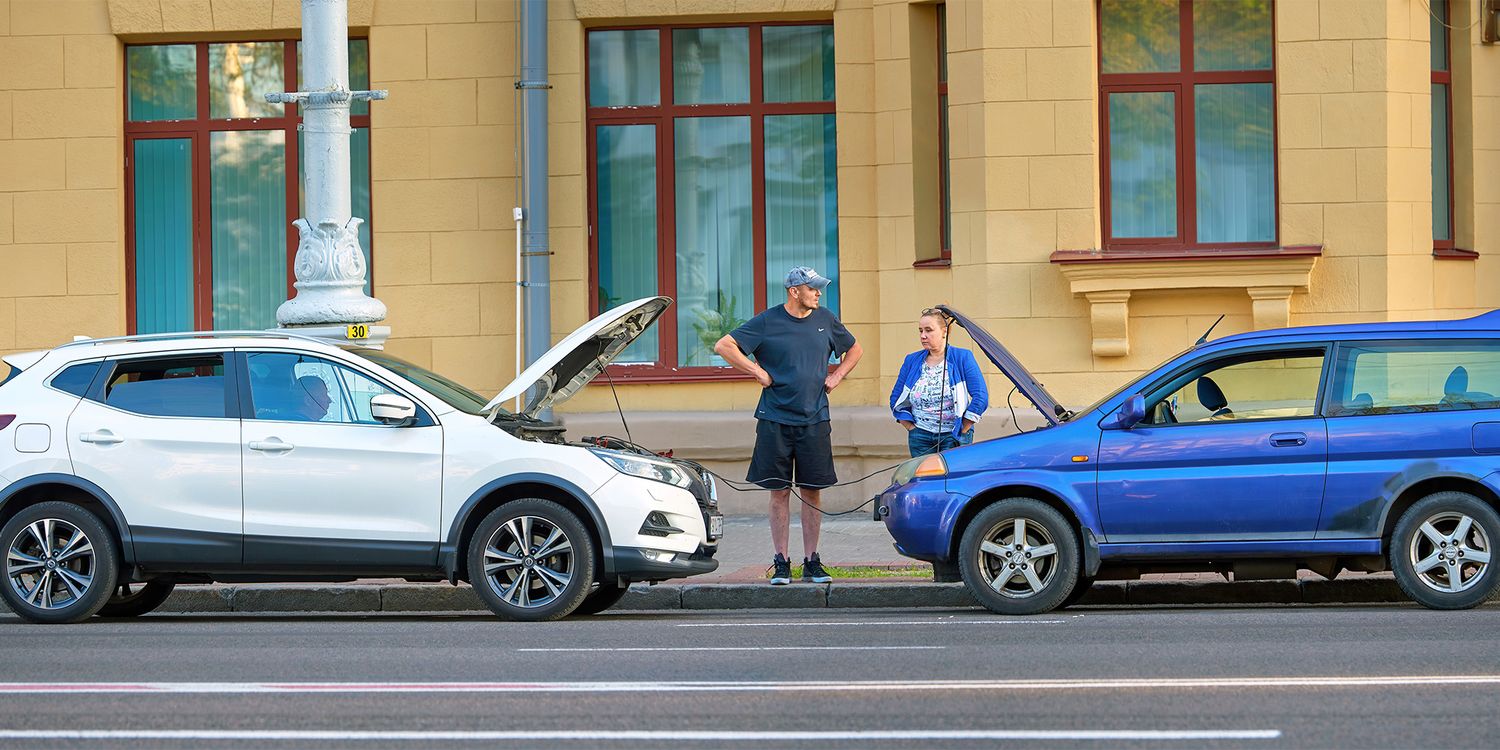
Revealed: the surprising fault affecting new hybrids and EVs - Which?
The latest Which? car survey has revealed that a large proportion of hybrids, plug-in hybrids and EVs from a selection of brands are suffering the same problem
Last edited: